Air Balance Services Explained: Securing Comfort and Efficiency
Air balancing services are essential for maximizing HVAC system efficiency. By managing airflow effectively, these services tackle widespread concerns including thermal inconsistencies and humidity fluctuations. Professionals assess systems to identify imbalances and implement solutions, leading to improved energy efficiency. Numerous property owners neglect these services, not fully recognizing their significant advantages. Grasping these elements can revolutionize indoor conditions, though what distinct warning signs point to the requirement for corrective action?
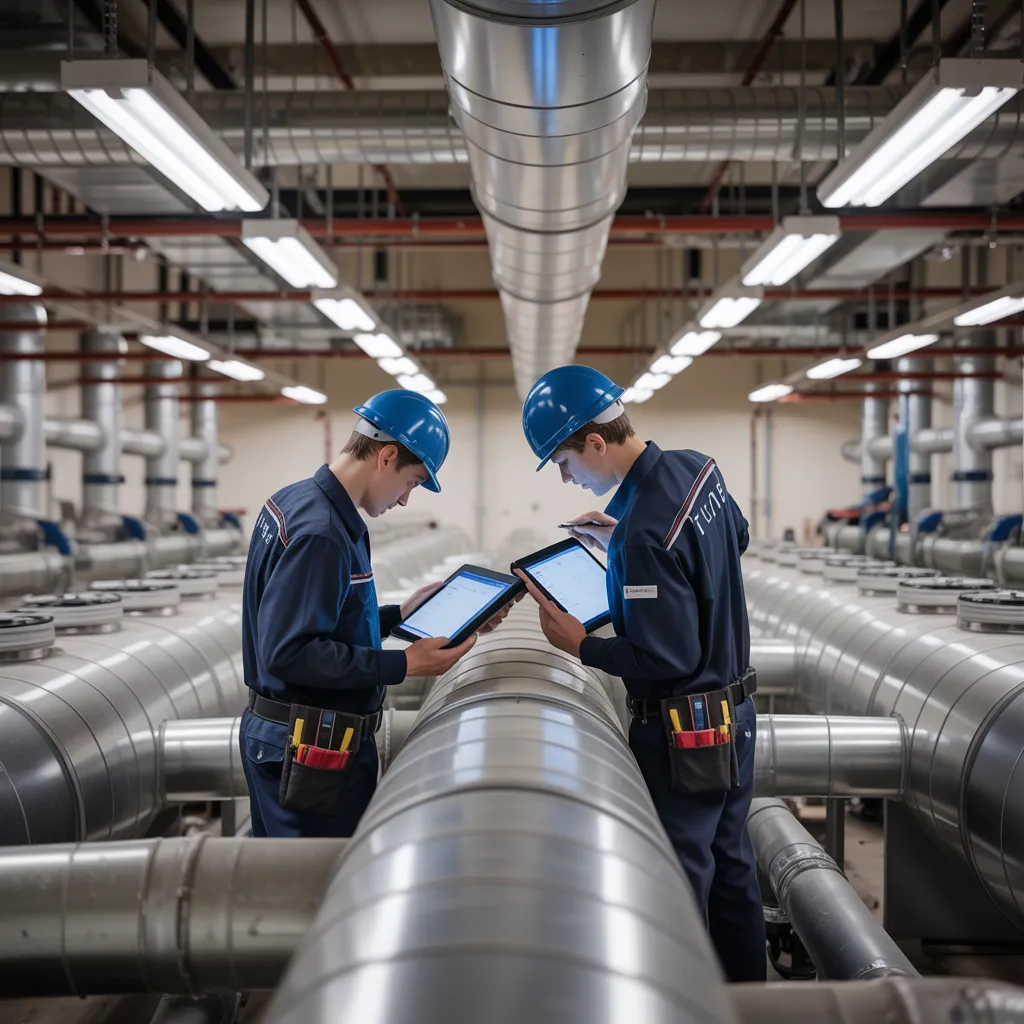
How Air Balance Services Solve Common HVAC Issues
Air balancing services successfully resolve typical HVAC challenges by ensuring optimal airflow throughout a building. By evaluating and adjusting airflow distribution, these services enhance system performance and occupant comfort. When airflow balance is achieved, temperature variations between rooms are minimized, preventing hot find the facts or cold spots. This produces more reliable climate management, boosting the system's overall energy effectiveness.
In addition, HVAC air balancing services can detect and correct concerns like excessive noise from ducts or inconsistent pressure levels, which can put stress on the HVAC unit. By optimizing airflow, these procedures reduce energy consumption, effectively decreasing monthly utility expenses. Better indoor air quality is yet another advantage, as proper ventilation minimizes the buildup of harmful particles. Consistent air balancing maintenance not only prolongs the life of HVAC equipment but also confirms that they run at maximum efficiency. In closing, air balance services are essential in establishing a comfortable and energy-efficient indoor environment.
How to Tell If Your HVAC System Needs Air Balancing
Signs that an HVAC system may require air balancing involve uneven temperature distribution across different rooms and excessive noise levels during operation. Such problems may suggest that airflow is poorly regulated, leading to poor comfort conditions and energy waste. Tackling these issues without delay can boost overall HVAC performance and interior comfort.
Irregular Temperature Distribution
A common sign that an HVAC system may call for air balancing is uneven temperature distribution throughout a building. This problem often appears as certain rooms experiencing excessive heat or cold compared to others, leading to discomfort for inhabitants. It is often caused by various factors, including improperly sized ducts, obstructed vents, or disrupted airflow. When airflow is inconsistent, some areas may receive excessive heating or cooling, while others remain inadequately conditioned. Residents might notice that temperature readings vary in various rooms, indicating this inconsistency. Resolving uneven temperature distribution not only boosts occupant comfort but also improves energy efficiency, as the system works harder to compensate for these discrepancies. Air balancing performed in a timely manner can correct these concerns successfully.
Extreme Noise Levels
Elevated noise levels from an HVAC unit can signal the necessity of air balancing. When a heating and cooling system exceeds its intended noise parameters, it may indicate underlying issues associated with airflow. High-pitched whistling or rattling noises often stem from imbalanced ductwork, restricting airflow and causing strain on the system. This can cause higher energy usage and possible long-term damage. Homeowners may also notice irregular noises throughout various rooms, suggesting uneven pressure distribution. Tackling these noise problems via professional air balancing can boost general system effectiveness and indoor comfort. Regular maintenance and attention to noise levels can aid in avoiding additional issues, guaranteeing a quieter and more efficient HVAC performance.
Enhancing Energy Efficiency Via Air Balance Services
Enhancing airflow balancing solutions can considerably enhance energy conservation in commercial and residential structures. By establishing that air distribution systems are properly balanced, building owners can limit unnecessary energy consumption and reduce utility costs. When air flow is uneven, some regions may suffer from overheating or overcooling, causing higher energy consumption as heating and cooling systems strain to preserve optimal indoor temperatures.
Air balancing effectively requires evaluating and adjusting airflow rates to ensure that every area obtains the proper quantity of climate-controlled air. This simultaneously boosts comfort and lengthens the lifespan of HVAC systems, as they function with greater efficiency. Additionally, balanced air systems can lead to better overall indoor air quality, reducing the need for additional ventilation and filtration. Therefore, adopting air balance services constitutes a strategic investment, advancing sustainability while improving the total performance of residential and commercial heating and cooling systems.
What You Can Expect During Air Balancing
What does the air balancing process typically involve? The service usually commences with a detailed assessment of the HVAC system. Professionals evaluate ductwork, airflow, and temperature fluctuations across the space. Using specialized equipment, they measure air pressure and flow rates to identify imbalances.
When the data has been gathered, technicians implement adjustments to the system, which can include recalibrating dampers or modifying duct sizes. This ensures a uniform flow of air, improving both comfort and efficiency.
During the process, trained professionals may also check for potential leaks and system inefficiencies, providing recommendations for improvements or repairs.
Following adjustments, follow-up measurements confirm that the system operates efficiently. In some cases, a comprehensive report outlining the findings and modifications may be supplied. Overall, air balancing aims to establish a comfortable atmosphere while maximizing energy efficiency, ultimately leading to financial savings for the property owner.
How to Choose the Right Air Balance Service for Your Needs
Picking the best air balance service is crucial for guaranteeing ideal HVAC performance and comfort. When choosing a service, individuals should begin to examine the firm's qualifications and experience. A trusted company typically possesses extensive knowledge and certifications of HVAC installations.
Moreover, be sure to check customer reviews and testimonials. This feedback can offer insights into the level of service and how satisfied customers are. Moreover, obtaining multiple quotes makes it possible to evaluate pricing and services offered, allowing you to make the most economical selection.
Ask about the specific techniques and equipment the service uses for HVAC air balancing. Cutting-edge equipment can lead to more accurate results. Finally, consider the service's client support and assistance. A responsive and knowledgeable team can elevate the quality of service. By keeping these points in mind, customers can reach a well-informed choice, which leads to improved indoor air quality and comfort.
Dispelling Common Myths Surrounding Air Balance Services
Several myths persist regarding professional air balance solutions, among them the idea that they are optional and merely related to managing temperature levels. Moreover, some tend to assume easy solutions are easily accessible, failing to recognize the intricacy associated with accomplishing balanced air flow. Clarifying these false beliefs is critical for recognizing the true value of qualified air balance solutions.
Air Balancing Is an Optional Service
Air balance services are frequently misunderstood as unnecessary, resulting in significant misunderstandings about their role in HVAC systems. Numerous property owners assume that air balance is solely required during initial setup, failing to recognize its impact on continued efficiency and comfort. This misunderstanding can lead to inconsistent temperatures, higher energy expenses, and reduced air quality. Proper air balance guarantees that conditioned air is evenly distributed throughout a building, resolving inconsistencies resulting from design, occupancy, or equipment adjustments. Overlooking air balance can worsen current issues and introduce new complications, eventually undermining the system's overall performance. Acknowledging air balance as a critical service can significantly improve both HVAC system performance and the general comfort of indoor spaces.
Just About Temperature
Misjudging the range of air balance services often leads people to believe they only manage temperature regulation. However, air balance covers a more comprehensive range of elements that influence indoor air quality and comfort. These services also involve the distribution of airflow, humidity control, and the proper functioning of ventilation systems. By confirming that air is uniformly spread throughout a space, air balance services work to reduce issues like drafts, hot spots, and stagnant areas, which can all affect comfort levels. Furthermore, these services can boost energy efficiency, resulting in cost savings. As a result, recognizing the full scope of air balance can shed light on its vital role in creating a comfortable and efficient indoor environment.
Rapid Fix Solutions Available
Debunking the notion that air balance services deliver quick fix solutions is critical for a clear perspective. It is commonly assumed that these services can quickly correct issues related to temperature discrepancies or airflow inefficiencies. The truth is, air balance requires a detailed examination of the complete HVAC system, including ductwork, air distribution, and overall system performance. Short-term remedies may momentarily reduce symptoms but do not tackle underlying problems. Proper air balancing requires thorough examination and potentially major modifications to guarantee peak comfort and efficiency. When acknowledging that air balance is not a simple quick fix, individuals can understand the importance of a thorough approach to HVAC system management, ultimately leading to long-term benefits in energy efficiency and indoor air quality.
Long-Term Benefits of Regular Air Balance Services
While many may underestimate the value of HVAC air balance services, their long-term benefits are significant for preserving optimal interior air quality and operational efficiency. Regular air balance services help confirm that airflow distribution remains uniform throughout the building, avoiding uncomfortable hot and cold spots that can contribute to occupant discomfort. This consistency not only enhances tenant satisfaction but also fosters improved energy performance, thereby lowering overall utility expenses.
In addition, effective air balancing can extend the lifespan of HVAC systems by decreasing mechanical strain. When systems function optimally, they need fewer repairs and replacements, leading to significant cost reductions over time. Better air quality also contributes to better health outcomes for building occupants, minimizing the potential for respiratory conditions and allergy symptoms. To sum up, dedicating resources to consistent air balance services provides lasting advantages in overall well-being, comfort, and operational efficiency, making it an indispensable element of routine building upkeep.
Questions Our Clients Often Ask
How Often Should I Schedule Air Balance Services?
Air balance assessments should optimally be arranged once a year, or twice a year for systems that are encountering problems. Consistent inspections help preserve top-level performance, providing reliable airflow and improved energy efficiency during all heating and cooling periods.
Does Air Balancing Have the Ability to Improve Indoor Air Quality?
Indeed, air balancing can substantially enhance interior air quality by maintaining adequate air circulation throughout the space. This method helps eliminate stagnant air, lowers harmful pollutants, and improves comfort throughout the space, fostering a cleaner indoor atmosphere for residents and workers.
What Instruments Are Utilized During Air Balancing?
During the air balancing process, technicians utilize tools such as manometers, flow hoods, and anemometers. Such instruments measure air pressure, velocity, and flow rates, guaranteeing optimal distribution and improving overall indoor air quality and comfort.
Do All HVAC Systems Need Air Balancing?
Air balancing is essential for numerous HVAC systems to achieve maximum performance and energy savings. However, its necessity may change based on system complexity, size, and specific heating or cooling requirements within any given space.
What Is the Duration of an Air Balancing Service?
Air balancing services usually last anywhere from two to four hours, based on the size and complexity of the HVAC system. Factors like building layout and existing airflow issues can influence the total duration of the service.
Comments on “Dependable Service for Bigfork HVAC Air Balancing”